
A pivotal ethics measure aimed at curbing Donald Trump’s cryptocurrency interests would automatically expire in 2029 under the latest draft of the United States’ landmark Clarity Act, according to text now circulating in Washington.
The emerging legislation, which Senate negotiators hope to finalise within days, sets out a temporary conflict‐of‐interest regime for senior US officials involved in digital assets – but its sunset clause and narrow implementation window are already drawing fire from some Democrats.
The draft, which has not yet been formally published, would require financial regulators to roll out the new ethics rules within 12 months of the Act becoming law. The provision has become one of the final and most contentious elements in negotiations over the bill, which is billed as a foundational framework for crypto oversight.
Ethics provision targets Trump’s crypto exposure
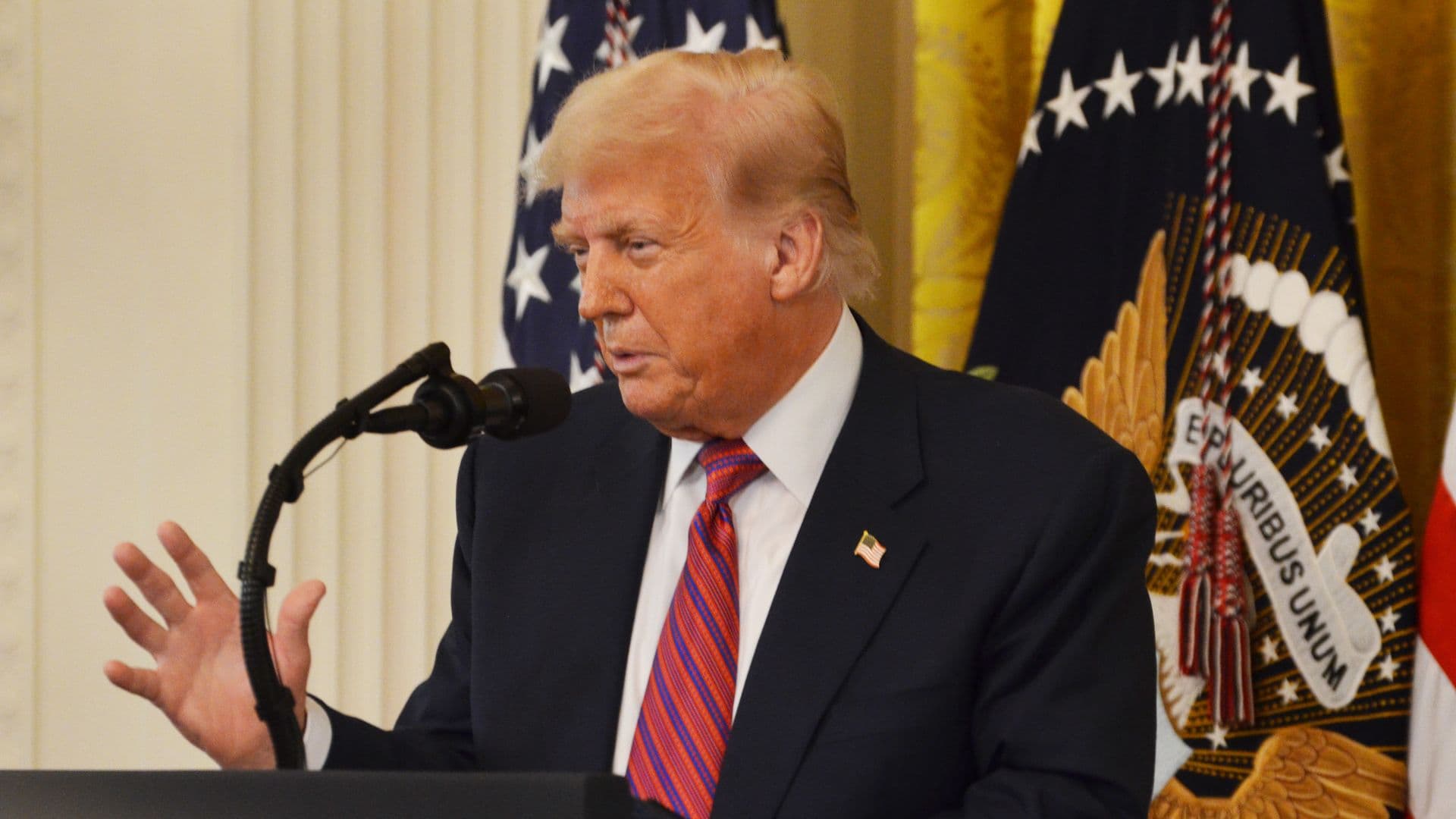
At the heart of the dispute is language designed to limit the involvement of public officials who hold, promote or directly benefit from cryptocurrency ventures – notably former President Donald Trump, whose “widespread crypto involvement” has intensified scrutiny on potential conflicts of interest.
Lawmakers have been wrangling over how far to go in constraining Trump and other office‐holders with significant digital asset stakes. While the latest draft confirms the inclusion of the ethics section, it also makes clear the rules would lapse in 2029 unless renewed by Congress.
Democratic legislators, who have pressed for a tougher and more durable ethics regime, are understood to be uneasy with both the sunset date and what some see as a relatively short compliance runway for agencies already stretched by broader financial‐sector responsibilities.
Race against Senate recess
The text now in circulation is being treated as close to a final version, with supporters preparing to drive it “toward a Senate finish line” before lawmakers leave Washington for their summer recess.
The Senate has only a narrow window of working days left, increasing the pressure on negotiators to settle remaining disputes – particularly over ethics – or risk delaying the bill until later in the year, when the US election calendar could complicate any major legislative push.
Draft language has already been shared with key figures in the crypto industry, indicating that Senate leaders are keen to test market reaction while they seek to lock in votes. Industry insiders have been reviewing the conflict‐of‐interest clauses alongside other regulatory provisions that will shape how digital‐asset firms operate in the US.
Crypto industry under scrutiny as markets shift
The Clarity Act debate is unfolding against a backdrop of shifting dynamics in global crypto markets. Since June, traders have repositioned across major platforms, yet Binance has managed to hold a commanding share – controlling roughly 55% of tracked user funds and about 24% of spot trading, according to market data cited in the draft discussions.
Despite broader net outflows from the monitored market in early July, Binance registered net inflows, underscoring its resilience and ongoing centrality to crypto trading. That concentration of activity on a single platform has reinforced calls in Washington for clearer, more consistent regulation – one of the drivers behind the Clarity Act itself.
Supporters argue that a comprehensive framework, even one with time‐limited ethics provisions, is preferable to the current patchwork of rules and enforcement actions. Critics counter that setting an expiry date on conflict‐of‐interest rules could weaken public trust in a sector already dogged by concerns over fraud, market manipulation and political influence.
Next steps for the Clarity Act
With the summer deadline looming, Senate negotiators must decide whether to harden the ethics language to win over sceptical Democrats or push ahead with the current compromise in the hope of securing enough bipartisan backing.
If passed, regulators would be under a statutory obligation to design and enforce the conflict‐of‐interest regime within a year, placing senior officials’ crypto activities – including those of Donald Trump – under closer scrutiny, at least for a limited period.
Failure to advance the bill before recess could leave one of the most significant attempts yet to regulate the US crypto landscape stalled, just as market developments and political stakes are intensifying.


