
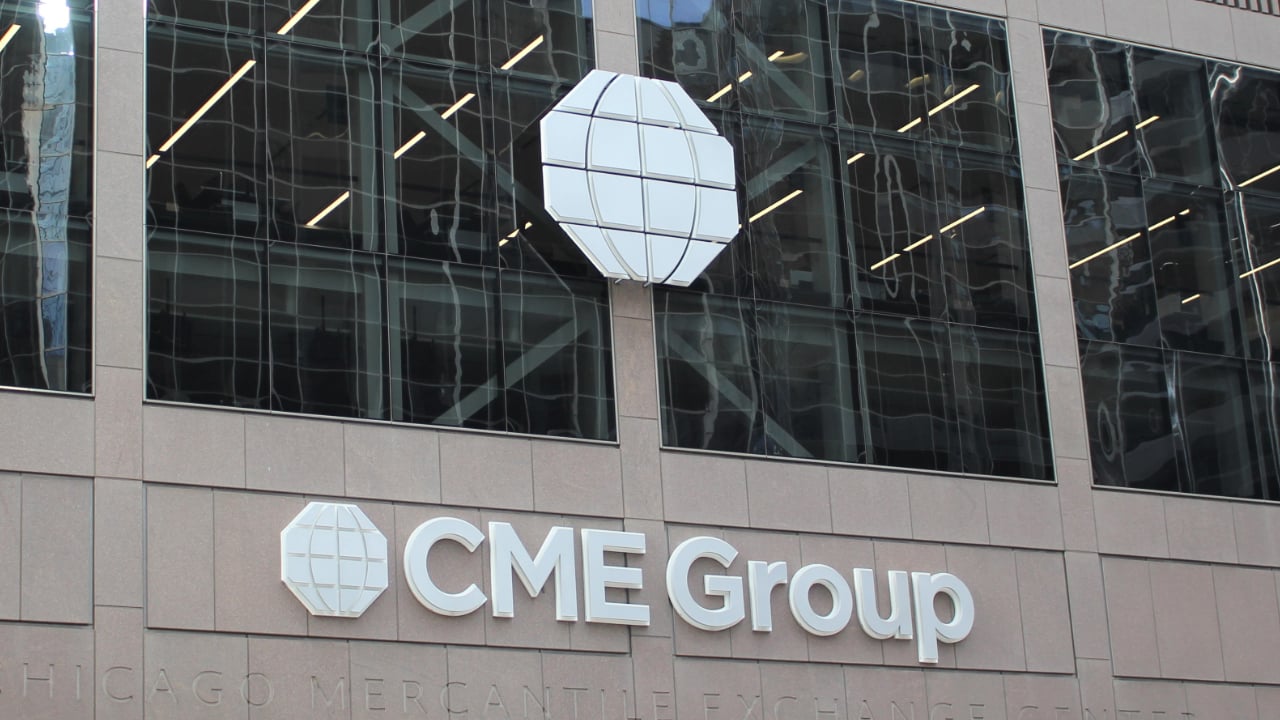
CME Group is preparing to bring financial-style hedging to the global sports business, unveiling plans for the first futures contracts based on sports performance indexes in a move that could reshape risk management across a $650bn industry.
The US derivatives giant intends to roll out cash-settled sports index futures as early as this summer, subject to regulatory clearance, allowing companies whose revenues rise and fall with on-field performance and fan engagement to manage that risk on an exchange for the first time.
The initiative is being developed under a long-term partnership with Futuresports, announced on 29 July. The Chicago-based specialist will convert official, league-approved statistics into financial benchmarks that underpin the new contracts.
Turning sports data into tradable benchmarks
Rather than focusing on individual matches or single athletes, the contracts will be linked to broad indexes constructed from officially reported statistics. These benchmarks are designed to capture wider trends in team and league performance, attendance and other measures, rather than the outcome of a particular game.
The futures will be settled in cash on a monthly and quarterly basis, meaning market participants will exchange the final index value at expiration rather than take delivery of any physical asset.
Futuresports will administer the indexes using data supplied directly by participating leagues. Those leagues will provide the underlying statistics but will not control how the indexes are calculated, in an effort to maintain independence and consistency across the benchmarks.
CME Group has yet to reveal which sports, leagues or performance measures will feature in the initial launch. The final mix will depend on league agreements, detailed contract specifications and the outcome of the regulatory process.
New hedging tools for a volatile sports economy
The venture is aimed at a wide range of organisations whose finances are closely tied to sporting outcomes but currently lack standardised ways to hedge that exposure.
Broadcasters can see viewing figures fall when leading teams underperform. Sponsors may face reduced brand impact during a slump in form or after a high-profile injury or controversy. Stadium operators and apparel companies can suffer when attendance drops or fan interest wanes.
For these businesses, the new futures are intended to act as a regulated tool to offset some of that volatility. A company affected by weaker ticket sales, lower merchandise demand, diminished sponsorship value or declining television audiences could, in theory, use the contracts to partially balance those risks.
Futuresports also anticipates that the indexes could underpin other financial products, including exchange-traded funds and over-the-counter swaps, potentially creating a broader ecosystem of sports-linked instruments.
Leigh Taylforth, Co-Founder of Futuresports, said the shift would be significant for the sector: “That is about to change. We’ve been truly gratified to see the interest our business has generated within the sports and sports-adjacent industries and the quality of investors we have attracted already,” Taylforth noted.
CME builds on growing index-derivatives push
The sports project is part of CME Group’s wider strategy to expand its portfolio of index-based products.
The company has already partnered on Nasdaq-CME crypto index futures and offers 24/7 crypto futures and options trading. That round-the-clock crypto market generated about $50m in notional volume across more than 7,200 contracts during its first weekend, highlighting investor appetite for new, index-linked exposures.
CME Group has a long history of launching innovative contracts, including single-stock futures on more than 50 of the largest US companies, which gave traders a fresh, leveraged route into equity markets.
Terry Duffy, CME Group Chairman and Chief Executive Officer, said the sports move was intended to bring familiar market disciplines to a fast-growing but volatile industry. “This isn’t just a new product it’s about bringing real price discovery and risk management discipline to an industry that’s ready for it,” the CME executive added.
Regulatory path and next steps
Under the Commodity Futures Trading Commission’s contract-listing framework, designated contract markets such as CME Group can bring new products to market either through self-certification or by seeking explicit approval.
CME Group has not yet specified which route it will take for the sports performance index contracts but says it plans to release full details of the products before trading begins.
Standardised sports indexes are expected to give asset managers, pension funds, lenders and trading firms a common reference point to hedge or gain exposure to the broader economics of sport, rather than tying their strategies to a single event or club.
If regulators sign off as anticipated and leagues agree to participate, the launch of CME Group’s sports index futures would mark the first time the global sports industry has had access to exchange-traded instruments designed specifically to manage the financial impact of results on the pitch and interest in the stands.


