
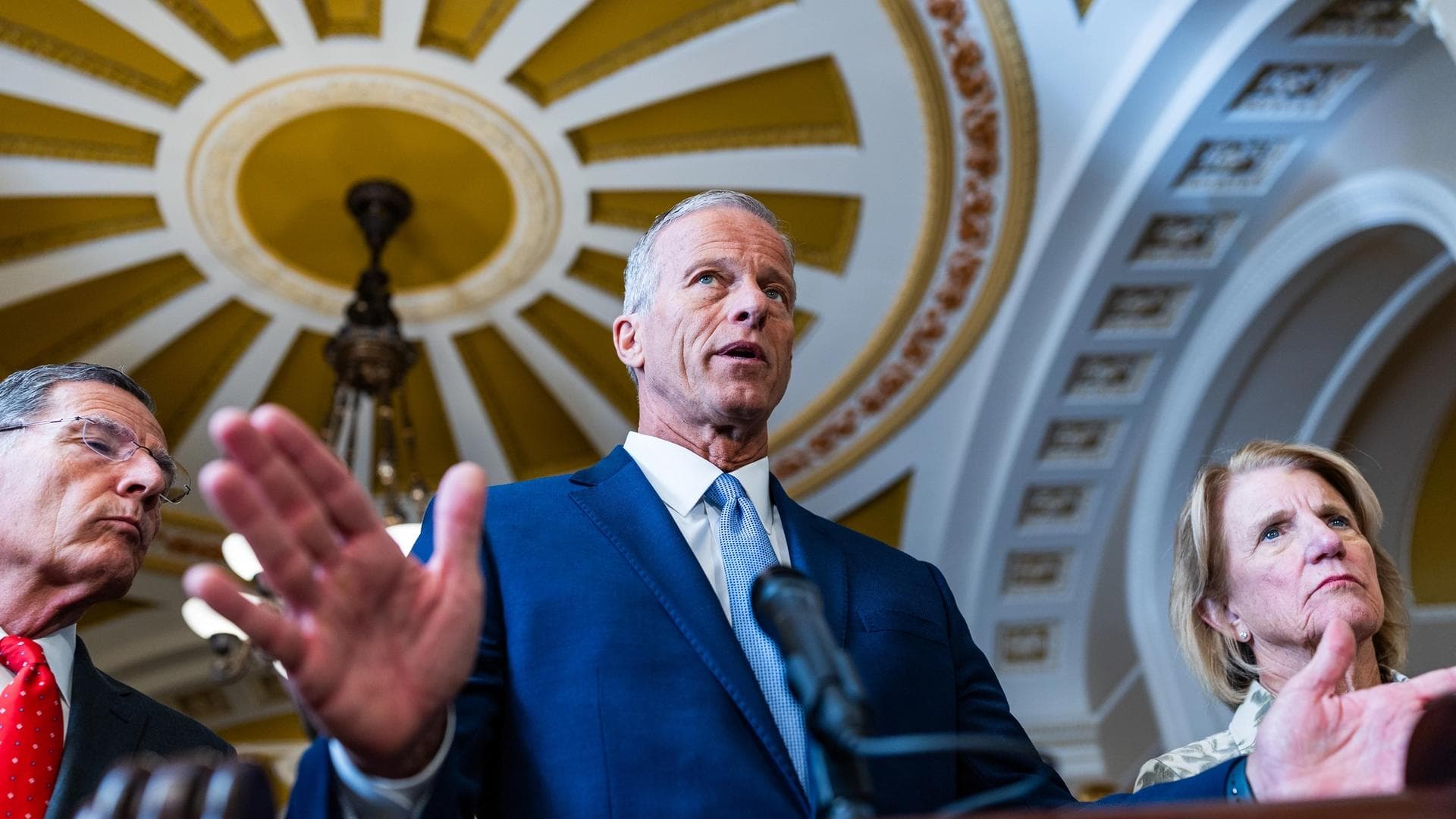
The crypto-focused Clarity Act is now unlikely to clear the US Senate before lawmakers depart for their extended summer recess, according to Majority Leader John Thune – a setback that could significantly reduce its chances of becoming law in 2026.
Thune has indicated that the chamber is expected to run out of time to move the market structure bill through all the procedural stages required for passage before senators leave Washington for their break.
The timetable slip means backers of the Clarity Act face a compressed window for final approval later in the year, with the legislative calendar already crowded and the political focus shifting towards the midterm elections.
Speaking to reporters, Thune acknowledged that the bill is not expected to meet the informal pre-recess target but stressed he still hopes to lay some groundwork in the coming weeks. He suggested that initial floor action could begin before senators disperse for the summer, even if a full vote is pushed into the autumn.
Election season pressure
The Senate’s long recess will see many members turn their attention towards campaigning, with the midterm elections looming large over the legislative agenda.
That shift is likely to make it harder to secure the time and consensus required to guide a complex crypto market structure package through both debate and a final vote.
Thune’s comments underline concern among supporters that missing the pre-recess window represents “a significant blow” to the prospects of getting the Clarity Act enacted before the end of 2026.
Market backdrop
The legislative uncertainty comes at a time when digital asset markets have been repositioning since June, with investors reassessing their exposure to major platforms.
Despite the broader reshuffle, Binance has maintained a dominant position, holding around 55% of tracked user funds and approximately 24% of spot trading volumes.
In early July, Binance saw net inflows of funds, even as the wider monitored market experienced overall outflows, highlighting the exchange’s continued pull for traders during a period of adjustment.
Supporters of the Clarity Act argue that clearer rules for crypto market structure are increasingly important against this backdrop, though the bill’s immediate path through the Senate now appears longer and more uncertain than its backers had hoped.


