
The Federal Reserve has kept its key interest rate on hold in a closely watched decision that exposed a rare and sharp divide among policymakers over how aggressively to tackle stubbornly high inflation.
The Federal Open Market Committee (FOMC) voted by nine to three to maintain the target range for the federal funds rate at 3.50% to 3.75% at its 29 July meeting, opting for a pause rather than a further rise in borrowing costs. The majority cited solid economic growth alongside inflation that is still above the central bank’s 2% target.
However, three regional Federal Reserve presidents broke ranks and argued that rates should rise immediately. Cleveland Fed President Beth Hammack, Minneapolis Fed President Neel Kashkari and Dallas Fed President Lorie Logan all dissented, each backing a quarter‐percentage‐point increase instead of a hold, according to the statement released after the meeting.
Such a cluster of “hawkish” dissents – officials calling for tighter rather than looser policy – is unusual. In recent years, disagreements within the FOMC have more often come from members pressing for cuts. The fact that three policymakers formally called for higher rates this time underlines the extent of concern inside the Fed about the direction of inflation.
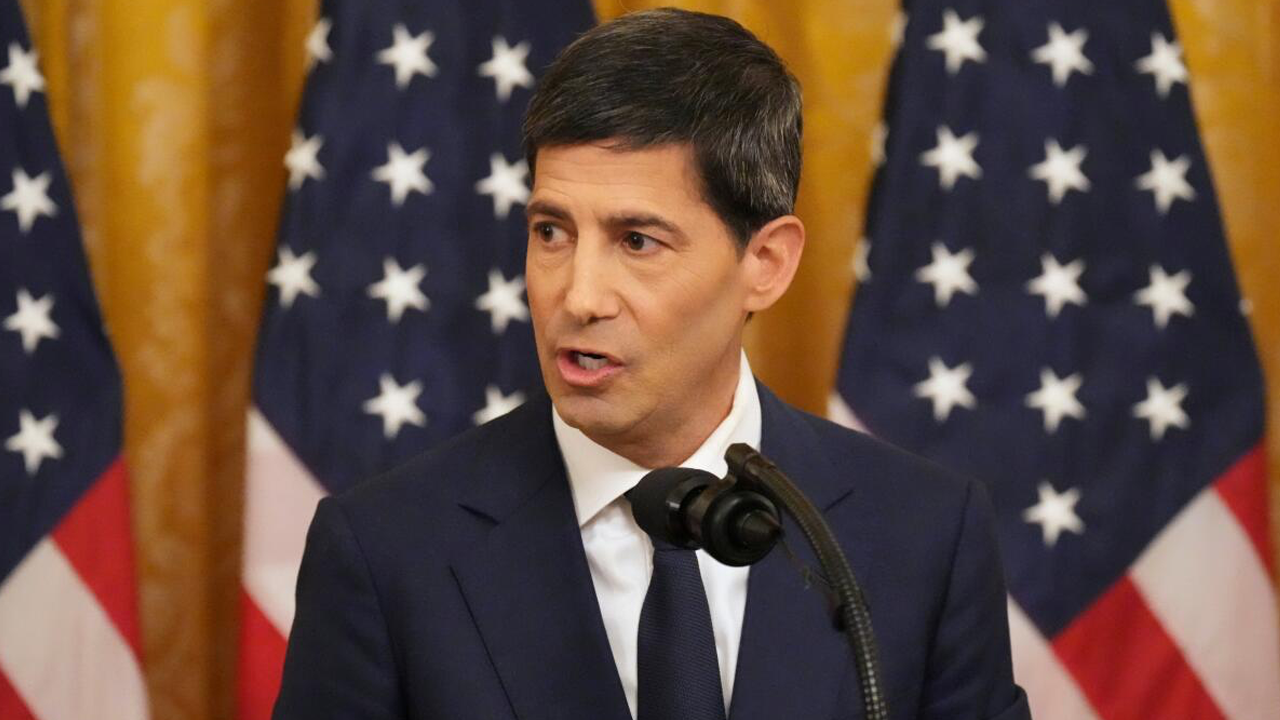
Fed Chair Kevin Warsh, who led the meeting, now faces the task of explaining why the majority opted for patience even as influential voices within the Committee warn that policy may not be restrictive enough. Markets will look to his press conference for clues on how close the Fed might be to raising rates again if price pressures fail to ease.
Inflation concerns overshadow robust economy
In its post‐meeting statement, the FOMC pointed to “elevated” inflation, attributing part of the pressure to supply shocks, notably in the energy sector. Policymakers linked some of those strains to the ongoing conflict in the Middle East, which they said has injected additional uncertainty into an economy that otherwise continues to expand.
The Fed noted that job creation is broadly matching gains in the labour force, unemployment has changed little in recent months and measures of productivity growth and capital spending remain firm. In other words, the central bank does not see a weak economy as the main risk. Instead, inflation persisting above target is the key obstacle to any discussion of lower interest rates.
Against that backdrop, the Board of Governors voted unanimously to keep the interest rate paid on reserve balances at 3.65%, effective 30 July. The Board also approved maintaining the primary credit rate – the rate charged on loans to banks through the Fed’s discount window – at 3.75%.
Market operations left steady
Alongside its rate decision, the FOMC instructed the New York Fed’s Open Market Desk to continue operating its standing overnight repurchase (repo) facility at 3.75% and its reverse repo facility at 3.5%. The Desk will uphold a daily cap of $160bn per counterparty on these operations.
The New York Fed was also directed to keep rolling over the Fed’s maturing Treasury holdings at auction and to reinvest principal payments from agency securities into Treasury bills, signalling no change in the central bank’s approach to managing its balance sheet for now.
For households and businesses, the decision to hold rates means borrowing costs on mortgages, credit cards and corporate loans remain broadly where they are – at least in the short term. But the scale of internal dissent sends a different message about where policy could head next, with three regional presidents now on record favouring tighter conditions.
Energy prices and next steps
Investors are watching energy markets closely, particularly routes linked to Middle East supply. The Fed highlighted the potential for higher energy costs to feed through to broader inflation. If those prices continue to climb, the argument for a rate rise at a future meeting could strengthen, and the three current dissenters may find more colleagues joining their camp.
Businesses planning around financing costs have been effectively warned to track incoming inflation data with care. The central bank did not rule out further tightening; it simply chose not to act at this meeting.
Reaction across financial markets was muted immediately after the announcement. Major US equity indices were little changed, and bitcoin hovered around $64,000 with minimal movement.
Crypto funds see mixed flows
Elsewhere in digital asset markets, Ether exchange-traded funds (ETFs) attracted $14.53m of inflows on Tuesday, adding to gains recorded on Monday as demand broadened across three separate funds. By contrast, bitcoin ETFs saw different flow patterns, although precise figures were not specified in the statement.
With the policy decision now out, attention turns to Kevin Warsh’s forthcoming remarks to the press, which could reshape expectations ahead of the Fed’s next meeting and determine whether this pause proves temporary or the start of a longer hold at current levels.


