
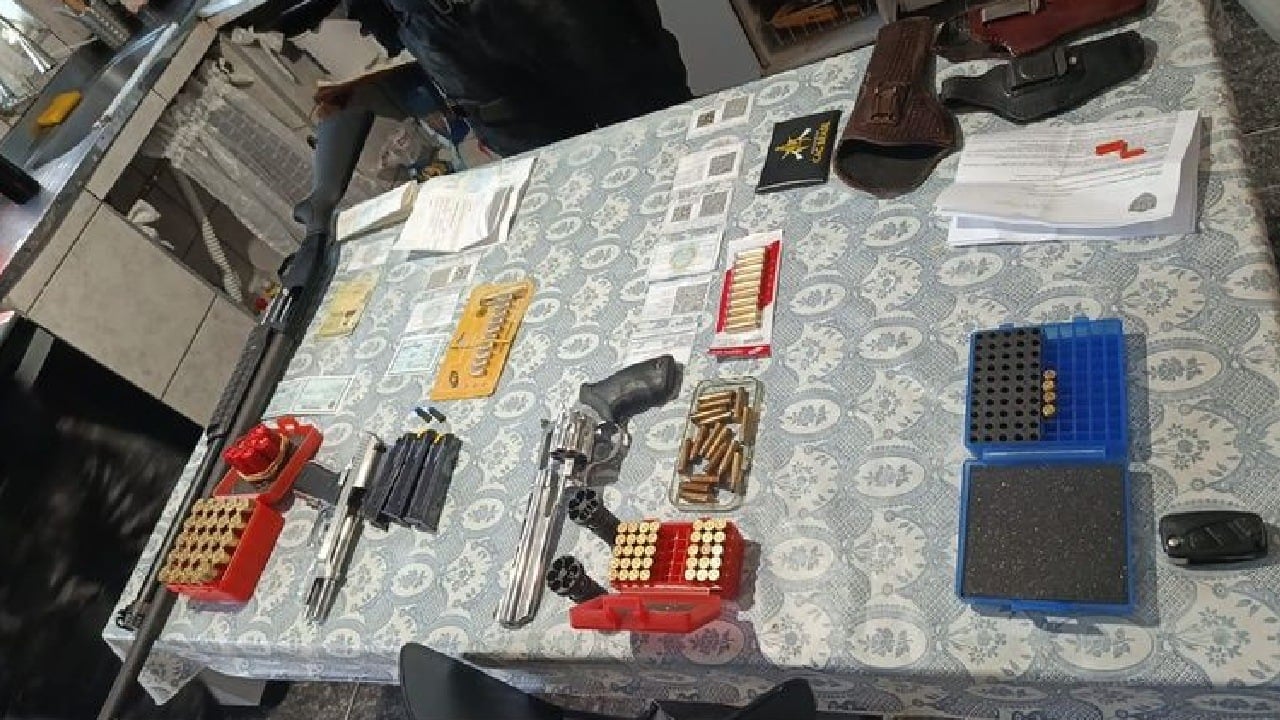
Federal Police in Brazil say they have dismantled a major cocaine export and cryptocurrency laundering network that allegedly moved more than 6.5 tonnes of the drug to Europe and cleaned proceeds worth up to 1 billion reais (about $196m).
The criminal organisation is accused of using the port of Rio de Janeiro as its main exit route, hiding cocaine inside bags of coffee, cement and mortar bound largely for European markets. According to investigators, the group maintained a logistics chain stretching across South America, Europe and Asia to move drugs and money.
Raids across four Brazilian states on Thursday led to 13 preventive arrests and 44 search-and-seizure operations, with judges ordering the freezing and confiscation of assets, property and other goods linked to the alleged scheme. During one of the searches, a shootout broke out and a suspect died after being shot while, police say, resisting arrest.
European cocaine pipeline
Federal Police say the organisation has been operating at scale since at least 2021, sending cocaine shipments from Brazil to several European destinations.
Investigators believe that more than 6.5 tonnes of the drug were shipped in this period to countries including France, Belgium, Germany, Slovenia and Spain. The narcotics were concealed in ostensibly legitimate cargo, primarily coffee and construction materials, leaving the port of Rio de Janeiro.
The operation against the group has been codenamed “Commodity” by Federal Police, reflecting the way the traffickers are alleged to have used bulk goods as cover for their cocaine exports.
Links to powerful gangs
According to the authorities, the dismantled network had connections with two of Brazil’s most powerful criminal organisations: the Primeiro Comando da Capital (PCC) and Comando Vermelho (CV).
Both gangs were previously designated as Specially Designated Global Terrorists (SDGTs) by the Trump administration in the United States. They have also been implicated in previous cross-border drug and money-laundering investigations.
Federal Police say some of the suspects targeted in Operation Commodity had already come under scrutiny during “Operation Exchange”, a separate probe earlier this month that focused on a $2bn cryptocurrency-based laundering structure.
Crypto and luxury cars at the heart of laundering scheme
Central to the latest case, investigators say, was a network of shell companies allegedly used to disguise the origin of drug money and move it into the formal financial system.
Police highlighted a luxury car dealership in Greater Sao Paulo as one of the key fronts. The dealership offered high-end vehicles including Ferrari, Porsche, Corvette and Land Rover models, and is alleged to have been part of the laundering circuit for cocaine proceeds.
Through these and other front businesses, operators are accused of issuing invoices without real underlying transactions or documentation. Those false invoices allegedly allowed large sums of cash from drug sales to be recorded as legitimate revenue.
Once inside the banking system, the funds were then moved and layered using cryptocurrency, with police saying digital assets were employed to “conceal and obfuscate” the trail of the illicit proceeds.
Charges and ongoing investigation
Federal Police say the suspects will face multiple serious accusations arising from Operation Commodity.
“The suspects will be held accountable, to the extent of their responsibilities, for the crimes of transnational criminal organization, international drug trafficking, and money laundering, without prejudice to any other offenses that may be revealed during the course of the investigations,” the Federal Police concluded in a statement.
The latest crackdown comes as Brazilian and international authorities intensify efforts to target criminal organisations that combine traditional drug trafficking routes with increasingly sophisticated financial structures, including the use of cryptocurrencies and complex corporate fronts.


